
 Slovenčina
 Čeština
You want to buy a CO2 laser and you have a very limited budget. Is it better to buy a new Chinese CO2 laser with a...

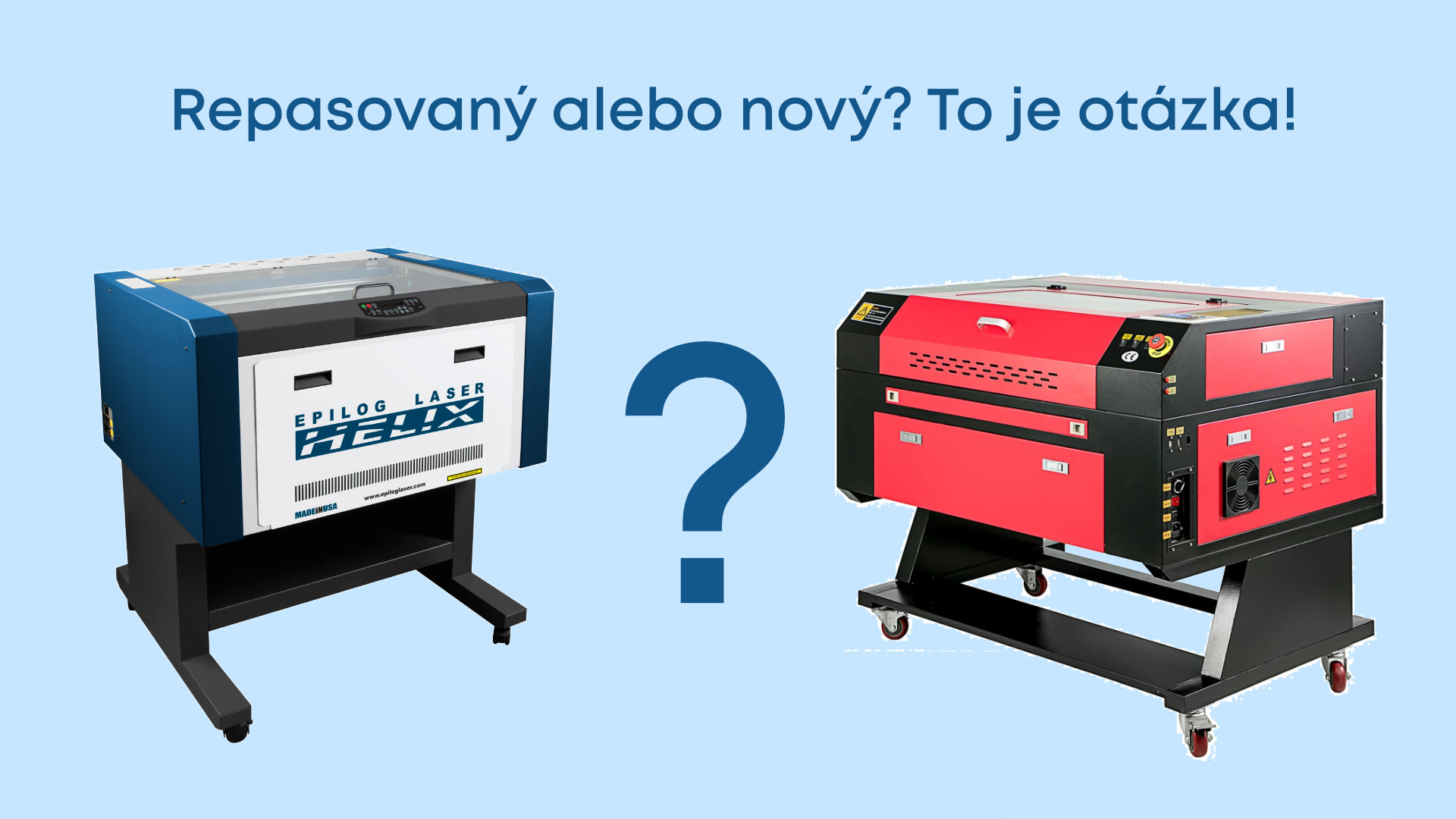
You want to buy a CO2 laser and you have a very limited budget. Is it better to buy a new Chinese CO2 laser with a...
Laser engraving business is very popular nowadays because it is highly profitable, you can start it even while...
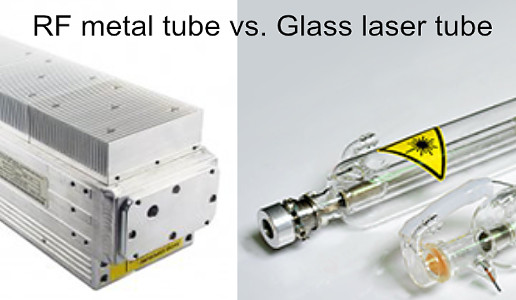
CO2 lasers are sold on the market with two types of laser sources – glass and RF metal laser tubes. What is the...
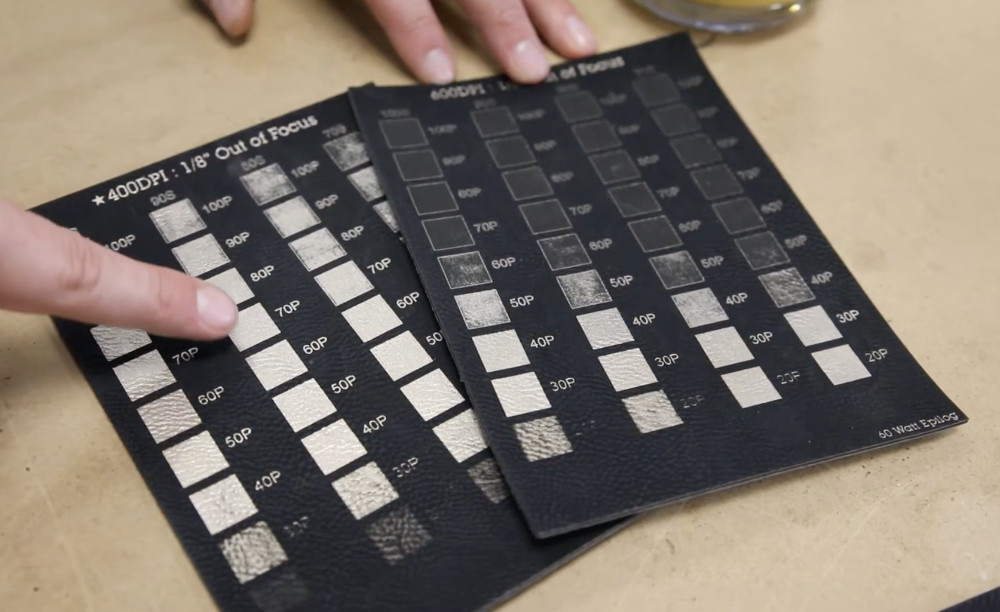
A short video shows how to find suitable parameters for engraving Leatherette sheets.
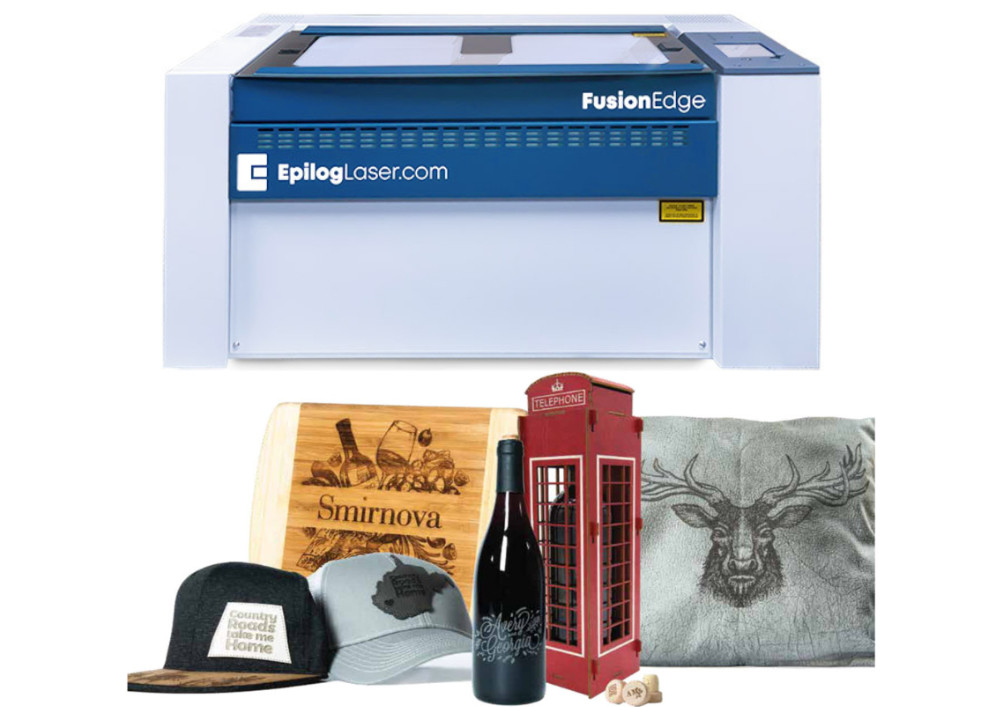
Do you have an idea of what you want to produce, but don't know which type of laser is best for your job? Here's a...
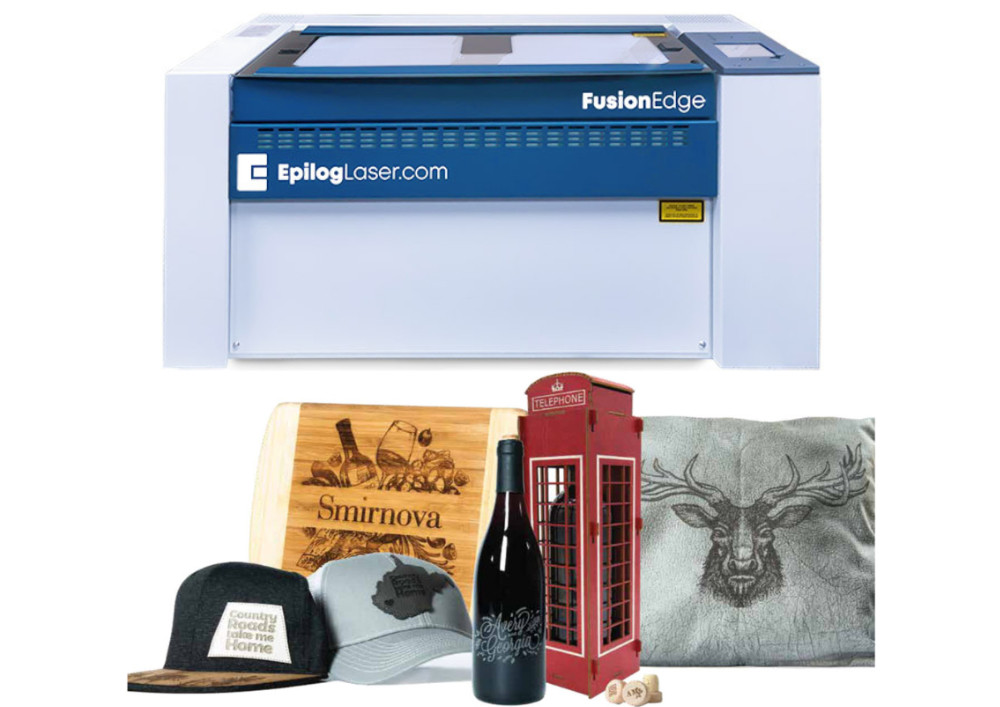
How to choose the right laser?
Choosing the right type of laser is the most important thing when buying a laser engraving machine. It is difficult to find a production device that is more universal than a laser. It has wide application in various industries, advertising and the hobby community. Therefore, manufacturers produce different types of lasers with different parameters and each of them is suitable for a different purpose. For a customer who does not have an overview in this area, it is quite difficult to navigate and correctly choose a suitable laser.
Why is the choice so important?
If you do not choose the right model, it can easily happen that:
- the laser will not be able to do the quality of cutting and engraving that you require
- it will not have enough speed to do the amount of work that you need
- you will pay a lot of money for the laser unnecessarily, if you can do the same on a cheaper machine
What parameters are important when choosing a laser?
1. Material to be processed – what type of material do you want to process on the laser – engrave or cut. When cutting, you also need to know the thickness of the material to be cut.
2. Work surface size – how much material do you want to put into the laser. What is its width, length and height, and possibly also its weight. Lasers have a limited worktable capacity, so you need to know whether the material to be processed is too heavy.
3. Production – how many products do you want to produce, or how many parts do you want to engrave, e.g. per hour. Based on this, we will design not only the appropriate type of laser, but also the appropriate power. The more powerful the laser, the faster it can engrave, i.e. it engraves one part in a shorter time.
4. Budget – how much money do you want to invest in buying a laser. Every investment must have its reasonable return. The return on investment in a laser is relatively fast, because the laser has very low operating costs. The return on investment is usually within a maximum of 3 years.
Generally speaking, the more expensive the laser, the faster it is and the higher the quality of work. A laser is a production device. With lasers, you don't pay for the brand, but for its parameters and reliability.
So if you require the highest quality of work and higher speed, you have to expect a higher investment. Cheaper lasers are usually slower, they engrave less well, so you can't use them in professional and industrial production.
What applications are lasers used for?
The lasers we sell are used for marking, engraving and cutting.
1. Plotter lasers
The basis of the structure is a worktable, above which 2 mutually perpendicular arms X and Y move.
The table is usually height-adjustable in the Z axis to adapt to different heights of the material being machined.
Smaller machines are enclosed by a safety cover and have safety fuses that turn off the laser beam to prevent injury if someone opens the protective cover during work.
Larger types are open, but stricter safety regulations apply there.
In the plotter design, the laser source (tube) is usually located in the lower rear part of the machine, or directly on the transverse arm, and through a system of mirrors, the laser beam is directed to the laser head, where there is a lens that focuses it on the surface of the machined object.
The main advantages of this design are:
-machines with a very large working area of up to 4 x 2 m can be manufactured,
-the laser beam always falls perpendicularly on the material, which is important for the quality of cutting
-the laser power is uniform over the entire working area and therefore the quality of cutting and engraving is the same over the entire area.
The disadvantage is that these machines have a limited engraving and cutting speed, because when moving the laser head, many mechanical gears must be overcome.
The fastest plotter lasers currently reach speeds slightly higher than 4000 mm/s.
2, Galvo lasers.
These types of lasers have a fixed so-called Galvo head. This head has a fixed lens at the bottom and deflection mirrors are placed above it. The laser beam is fed into the head from the side. The deflecting mirrors then focus it onto the surface of the material. By deflecting the mirrors, the laser beam draws the engraved motif.
This design has the advantage of a very high engraving speed, because a very slight deflection of the mirror results in a greater displacement of the laser beam across the surface of the material.
Galvo lasers typically reach speeds of 7,000 to 10,000 mm/s.
The disadvantage of this design is that they have a limited working area. The more the laser beam is deflected from the center, the worse the quality of the engraving is, because the beam does not fall perpendicularly onto the material. Its cross-section is deformed. Small galvo lasers can be used for a working area of approximately 300 x 300 mm, large professional machines, up to a size of approximately 1000 x 1000 mm. They are mainly used for marking, engraving and cutting thin materials such as paper, textiles, leather, thin foils. They are not suitable for cutting thicker materials because the cutting edge is not perpendicular.
Types of lasers according to laser source:
Practical use of different types of lasers:
We will be happy to help you choose the right laser type and test your materials for free in our testing laboratory.
We have already supplied more than 1000 laser machines to our market, so we have extensive experience with different types of materials and applications. Just submit this form and we will contact you
What is the difference between glass and metal CO2 laser tube?
How to start laser engraving business?
Why is buying a refurbished metal tube laser a smart choice?
Leave a comment